Featured
Table of Contents
If you ever before find on your own assuming, "I'm doing it wrong," attempt advising yourself that "there's no right or incorrect way of grieving."Moreover, there's no particular order for the phases of grief. Our initial emotional reaction to loss may be anger and clinical depression. This doesn't imply that we're not regreting correctly.
And our feelings can come in waves of intensity. At first, our feelings can be frustrating. In time, the strength is most likely to lessen although there may be moments when it's just as fresh and overpowering as it went to initially. Many individuals obtain frustrated with themselves because they think they're regreting too long.
It depends on the individual, and it depends on the loss. Try not to set any type of target dates on your own. And maintain in mind that there's never ever a time when we're completely "done" with sorrow; we simply learn just how to make modifications to the loss. The grieving process can be extremely difficult, but we don't need to go with it alone.
Sorrow is a difficult process that varies from individual to individual. The five stages of grief rejection, temper, bargaining, clinical depression, and acceptance are a useful structure for thinking of pain, yet it doesn't suggest we'll undergo every phase. We can experience these facets of pain at various times, and they do not occur in one specific order.
Window of Tolerance: Strengthening Your Ability Through Somatic Work
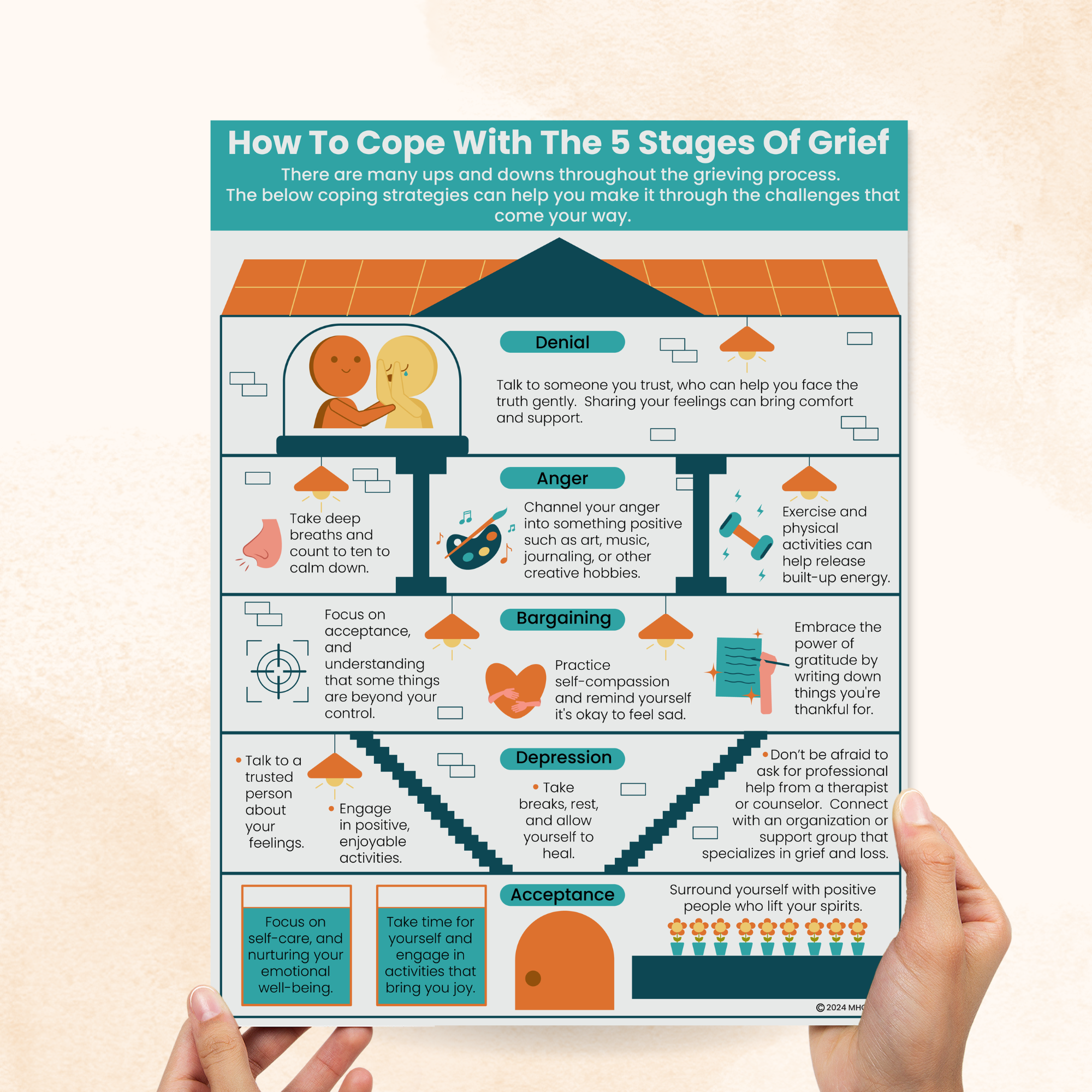
You simply experienced a breakup. You lost your task. You're unable to achieve the objective you've been pursuing. Believe it or not, every one of these are some kind of grief or the experience of managing loss. As we function our means via experiences like these, we're most likely to go through various phases or feelings from rejection and anger to despair and animosity.
We'll likewise take a look at usual mistaken beliefs about grief and ideas for handling loss. Let's dive in. Prior to we dive into the five stages of pain, it's practical to comprehend what despair is. Put simply, sorrow is the experience of coping with loss. And it's experienced by each person in a distinctively personal means.
Pain can likewise originate from any type of adjustments we experience in life, such as relocating to a new city or school or transitioning into a new age group. The reality is that most of us experience a specific level of despair throughout our lives. While some losses are extra intense than others, they are no much less real.
Healthy Boundaries for Helping Professionals After IFS / Parts Work Therapy in Your Practice
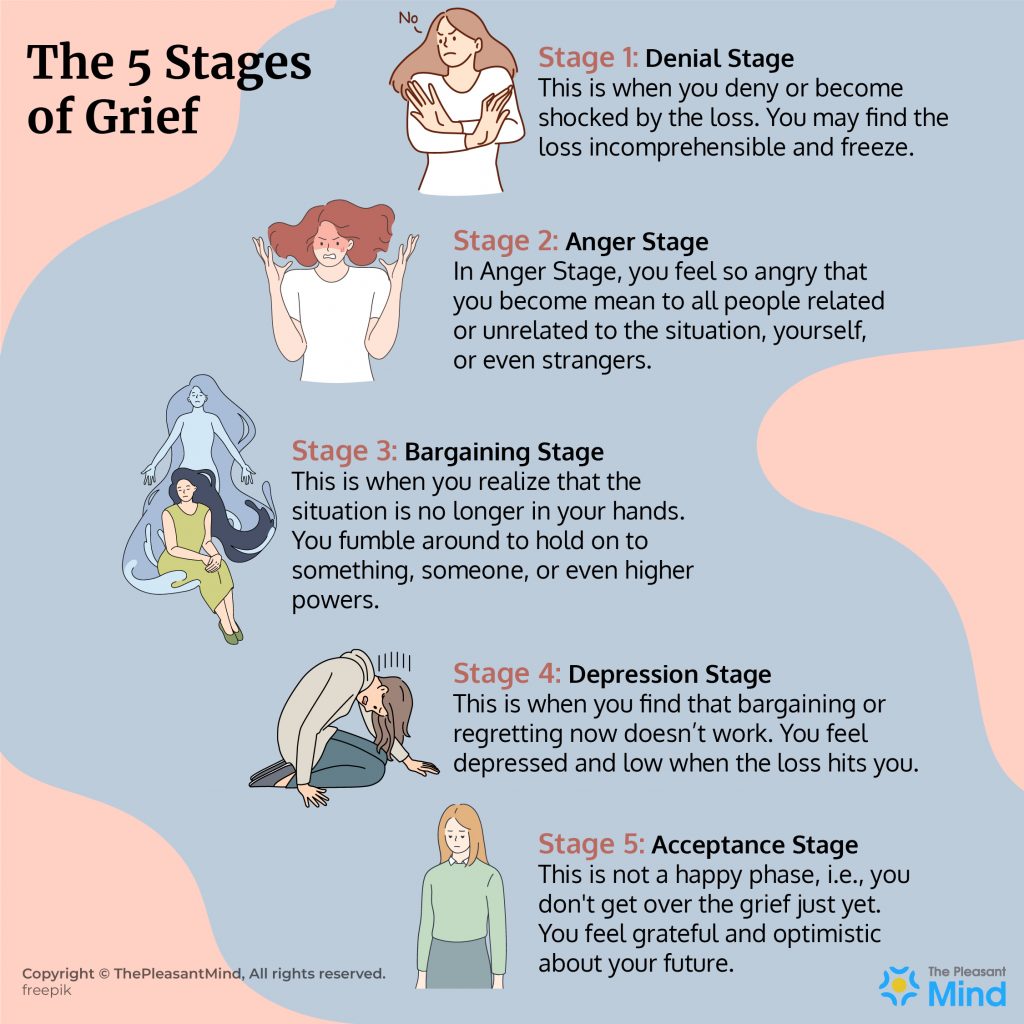
Numerous researchers have actually devoted years to examining loss and the feelings that accompany it. One of these experts was Elisabeth Kubler-Ross, a Swiss-American psychoanalyst. She interviewed over 200 individuals with incurable ailments and identified 5 common phases people experience as they face the facts of their approaching fatality: rejection, temper, bargaining, anxiety, and acceptance.
Although Kubler-Ross's work focused on grief reactions from individuals that are passing away, a number of these stages can be used to grief throughout any type of kind of loss. It is very important to keep in mind that these phases are not linear, and they're not a prescription. Not everybody experiences every stage, and that's fine. We may seem like we accept the loss at times and after that transfer to another stage of pain once again.
The Research Behind EMDR for Trauma Processing
In a similar way, just how much time we invest browsing these phases varies from individual to person. It may take us hours, months, or longer to refine and heal from a loss. With that said in mind, allow's take a better look at each of the 5 phases of despair: For many individuals, denial or pretending the loss or change isn't happening is typically the first response to loss.
Many people will also experience anger as component of their grief. In various other words, rage is a way to conceal the numerous feelings and discomfort that we're bring as a result of the loss or adjustment.
Also though our reasonable mind understands they're not to criticize, our feelings are intense and can conveniently bypass logical reasoning. While we frequently assume that rage is an adverse emotion and something to be avoided at all costs, it actually offers a purpose and is a necessary component of healing.
Negotiating is a stage of grief that assists us keep hope throughout intense psychological discomfort. It's an effort to assist us reclaim control of a scenario that has made us really feel extremely vulnerable and defenseless. It's likewise one more way to help us hold off having to deal directly with the despair, complication, or pain.
The Firefighters That Fuel Success
Clinical depression is typically compared to the "silent" stage of pain, as it's not as active as the anger and negotiating phases. Signs of depression can materialize themselves in different ways.
Simply like the other stages of despair, anxiety is experienced in various means. Rather, it's an all-natural and ideal action to pain.
Instead, As an example, if we're grieving the death of an enjoyed one, we may be able to share our appreciation for all the fantastic times we spent with them. Or if we're experiencing a separation, we could claim something like, "This really was the most effective thing for me." In this stage, we might come to be much more comfortable connecting to family members and buddies, and we might even make new relationships as time goes on.
Here are 3 usual misconceptions about grieving that we could think when we consider our own or another person's way of grieving: Among one of the most common misconceptions about grieving is that every person experiences it in the same means. As we have actually established, regreting is a distinct journey that is different for everybody.
The Impact of Internal Family Systems in Transforming Professional Identity
"Moreover, there's no specific order for the stages of grief. Our very first psychological reaction to loss might be temper and clinical depression.
And our feelings can come in waves of strength. Lots of people obtain annoyed with themselves since they assume they're regreting too long.

Latest Posts
Online Therapy vs. Office-Based Counseling
How to Explore Trauma-Focused Work in Wheat Ridge
Advantages of Emotional Safety during Counseling Services for Healing